Movie: Mr. Nelson, did you kill people?
Thoughts after watching a movie, "Mr. Nelson, did you kill people?"
I recently visited Kobe to see the film in the title.
It’s a story of Allen Nelson, a U.S. Marine Corps veteran. He served in the Vietnam War, and the harrowing experiences he endured led to the development of PTSD (post-traumatic stress disorder).
Following counseling and treatment, his condition improved. He began giving lectures—primarily in Japan—about his wartime experiences. Over the course of more than a decade, he delivered approximately 1,000 lectures. The film is an adaptation of his book of the same title. Shinya Tsukamoto directed it.
Due to disruptions in the JR line service caused by an accident, I arrived a bit late at the movie theater, which had just over 100 seats, and only to find it sparsely populated with about 20 people in the audience.
The quiet, sparse atmosphere vanished the moment the film began. It launched into a relentless series of brutal, violent scenes. The first shows Allen’s father—a military veteran suffering from mental illness—being subjected to extreme violence at the hands of police officers who had arrived in response to reports of him acting violently toward his family; even after he has fallen to the ground, the officers continue to beat and kick him.
After growing up, Allen enlisted in the Marine Corps and stayed in Okinawa for a while to undergo training at a U.S. military base before being deployed to Vietnam. The film depicts scenes in which his fellow Marines inflict persistent and brutal assaults to local Okinawa people.
Then, scenes from the battlefield in Vietnam follow, where intense violence and slaughter are depicted, accompanied by the deafening sounds of gunfire. Though those are part of movie and created by the filmmakers, they are so brutal and difficult to even look at. Those scenes are repeated over and over again. While I often encounter descriptions of people wounded by bombings or gunfire in various books documenting war, this was quite a tough experience as if those very scenes were unfolding, raw and vivid, right before my eyes.
It appears that Allen developed PTSD during his military service. Following his discharge, he began receiving counseling from a psychiatrist, Dr. Daniels. To help Allen open his mind, Dr. Daniels poses various question. Then, at the end of every session, he invariably asks, "Why did you kill people?" Each time, Allen reacts with visible anger, shouting, "Because I was a soldier! It was my job! I was following orders! If I hadn't killed, I would have been killed!"
As the sessions progress and Allen gradually becomes more capable of confronting his wartime experiences, this same exchange continues to recur. Then, one day, Allen replies, "Because I wanted to kill." Dr. Daniels says, "Thank you," and places an arm around the shoulders of Allen, who sits with his head bowed. It is a moment and a scene that carries a powerful message.
I do not believe Allen always harbored a desire to kill. In fact, he is illustrated as a self-restrained man in the film. However, he admits the fact that there were some instances when he did feel an urge to kill during the repeated battles. He answered in this way as a form of self-admonition.
What message of the filmmakers do we read from this scene? The message I read is as follows:
A latent capacity for madness and savagery lies in deep part of every human being. Most people, except criminals, live out their lives peacefully, never reveal this horrible facet. War is a unique human condition, in which people feel no hesitation in drawing out and detonate this hidden darkness. Certain individuals deliberately create such a horrible condition with the intent of maximizing the number of people killed. War should not be viewed as a mere extension of everyday life. It must be understood as a departure from all kinds of norm—an extreme state of abnormality.
The film’s title comes from a scene that takes place shortly after Allen has left the military. At the suggestion of an acquaintance, he speaks to a group of elementary school children about his wartime experiences.
When his talk is about to end, a young black girl quietly raises her hand and asks, "Mr. Nelson, did you kill people?" Allen is left speechless for a while, but finally, he closes his eyes and says, "Yes, I did." (My recollection of these details may be slightly imprecise.)
The girl steps forward, draws close to Allen, and says, "I’m sorry you had to do it." Then, other children in the room also gather around him. This event pushed Allen to receive counseling services.
I felt as if these children are God and angels. It is depicted as a scene that evokes the idea of God offering salvation to Allen. Here, again, the narrative suggests that war forces people to draw out their madness without hesitation, thus, is the ultimate evil.
This is a good film for understanding the reality of war, but it contains many scenes that are difficult for teenagers to watch.
In September 2025, U.S. President Donald Trump signed an executive order to use "Department of War" as an additional official designation for the Department of Defense. The Department of War was created in 1789 by the first president, George Washington, and served as the name of the organization overseeing the U.S. military until 1947, two years after the end of World War II.
The Department of Defense derives its name from the concrete act of "defense"—a term that is, in a sense, technical. The word "War," by contrast, is highly abstract and vague, yet possesses a terrifying power to incite people to unleash the madness, just like drug. To use such a term as the official name for an executive organization—especially an organization having a fearsome destructive capacity—strikes me as nothing short of insanity.
Fortunately, public opinion polls in the United States indicate that 70% of Americans view this name unfavorably, and within Congress, the prevailing sentiment appears to be against allowing the Department of Defense to officially change its name.
映画「ネルソンさん あなたは人を殺しましたか」
Thoughts after watching a movie, "Mr. Nelson, did you kill people?"
先日、神戸・三宮に行き、表題の映画を見てきました。映画の主役、アレン・ネルソンは、米国海兵隊の退役軍人です。ベトナム戦争に従軍し、その凄まじい体験から、PTSD(心的外傷後遺症)を発症しました。カウンセリング治療を受けて症状が改善し、主に日本で戦争体験を語る講演活動をしました。講演は、十数年間で約1000回に及んでいます。同名の著書を映画化したのが表題の映画です。監督は、塚本晋也さんです。
事故によるJRダイヤの乱れで少し遅れて駆け込んだ100席あまりの映画館は、20人ほどの観客で閑散としていました。
その閑散は、映画が始まると一気に吹き飛びました。凄まじい暴力シーンの連続です。最初は、アレンの父親が警察官から激しい暴力を受ける場面です。父親も退役軍人で精神を病んでおり、家族への暴力に駆けつけた複数の警察官から、倒れてもなお殴る蹴るの暴行を受けます。
成長したアレンは海兵隊に入隊し、ベトナムに向けて米軍基地で訓練を受けるため沖縄に滞在しますが、同僚たちが沖縄の人たちに執拗で凄まじい暴行を加える場面が出てきます。
そしてベトナムの戦場での場面、激しい暴力・殺戮が強烈な銃撃音とともに映し出されます。映画とは言え、直視できないほど残酷な映像が繰り返し繰り返し続きます。戦争を記録した様々な本で、爆撃や銃撃で傷つく人々の描写に出会いますが、それらが映像として生々しく眼前に展開されているような、強烈な体験でした。
アレンは従軍中にPTSD(心的外傷後遺症)を発症したようで、退役後、精神科医によるカウンセリング治療を受けます。担当のダニエルズ医師は、様々な質問を投げかけてアレンの心を開かせようとしますが、毎回の診察の終わりに必ず、「なぜあなたは人を殺したのか?」と聞きます。アレンは、都度怒りをあらわに、「軍人だから、それが仕事だから、命令されたから、殺さなければ殺されるから」と叫びます。
回を重ねるごとに少しずつ戦争体験に向き合えるようになっていく中で、やはりこの問答が繰り返されます。そしてある日、アレンは、「殺したかったから」と答えます。ダニエルズ医師は「ありがとう」といって、うつむくアレンの肩を抱きます。メッセージ性の強い場面です。
アレンは、常に殺したいと思っていたのではないと思います。むしろ、兵士としては、自制的な男性として描かれています。ただ、度重なる戦闘の中で、殺したいと思った瞬間が幾度かあったのでしょう。自戒の念を込めて、このように答えたのだろうと思います。
この場面から、映画制作者のどんなメッセージを読み取れるでしょうか。私が受け取ったメッセージは、以下のようなものです:
人はみんなその奥底に「狂気、凶暴性」を潜ませている。ほとんどの人(犯罪者以外)は、それを曝け出すことなく穏やかな生涯を送る。戦争は、それを引き出し爆発させるために恣意的に作り出された、特殊な人間の状況である。ある特定の者(たち)が、より多くを殺す(殺させる)ために、人々をその特殊状況に追い込む、それが戦争なのだ。戦争を日常の延長と捉えてはならない、それは全く不連続の、作り出された異常の極限と考えなければならない。
映画の題名は、アレンが退役後間もない時期に、知人の勧めで、小学校の児童の前で戦争体験を語る場面から取り出されています。講演が終わろうとするとき、幼い黒人の少女がそっと手を挙げ質問します。Mr. Nelson, did you kill people? アレンは答えられず立ち往生しますが、最後に目を閉じて、Yes, I did. と答えます。(少し記憶が不正確なところがあるかもしれません)
するとその女の子は、進み出てアレンに寄り添い、「かわいそうに、そんなことをしなければならなかったのね」といいます。同じ部屋にいたほかのこどもたちもぞろぞろとアレンの周りに集まってきます。アレンがカウンセリング治療を受けることを決心したきっかけとして描かれています。
多分このこどもたちは、神やそれを取り巻く天使として描かれているのではないか、神がアレンに救いを与えるような雰囲気を醸した場面だったように思います。ここでも、戦争Warが、人の狂気を解き放つ極限の悪であることを語っているようです。
戦争の実態を知るには良い映画だと思いますが、10代の若者には、辛い場面が多いかも知れません。
2025年9月、米国のトランプ大統領は、国防総省(Department of Defense)の呼称として、戦争省(Department of War)を正式な呼称として併用する大統領令に署名しました。戦争省は、1789年初代大統領ジョージワシントンにより創設され、第二次世界大戦から2年後の1947年まで、米国軍を統括する組織の名前として存続しました。
国防総省は、国防という具体的な行為を名称にいただいています。いわば技術的です。戦争(War)という言葉は極めて抽象的で、人々の狂気を解き放つ、いわば麻薬のような恐ろしい力を持ちます。それを、組織の正式名とするなど、狂気としか思えません。
幸い、米国民の意識調査では、70%の人がこの名前を良くないと思い、議会においても、国防総省からの正式な名称変更を認めない意見が優勢であるようです。
An essay about a book written by Shigeru Utsumi, a poet and literary critic
An essay about a book written by Shigeru Utsumi, a poet and literary critic. In this book, he indicated how strong the indoctrination and ideological repression over citizens as well as intellectual and cultural figures by the government were during the Second Sino-Japanese War and the Pacific War time. At the same time, he expresses concern that Japanese might be vulnerable to such indoctrination. He encourages post-war generation to be more sensitive and vigilant to the signs of the sprout of such movement by those in power.
I am reading a book titled Utsumi Nobuyuki: Hana to Hansen no Shijin (Nobuyuki Utsumi: Poet loving flowers and hating wars*) written by Toshikazu Yasumizu in 2007. Nobuyuki Utsumi was a poet from Tatsuno City, which is situated next to Himeji City.
I will write about this book after I finish reading it. In this blog, I’m going to write about a book titled Banshu Heiya Nite - Utsumi Shigeru Bungaku-hyoronshu (Thinking on the Banshu Plain: A Collection of Literary Criticism *) by Shigetu Utsumi in1983. Shigeru is the second son of Nobuyuki.
Although this book was introduced on the page of "Local History and Works by Local Literary Figures" in the presentation “Himeji Wartime History Viewed Through Books” created by us and can be read via the link posted in this website, I would like to repost an essay and listen to what he, Shigeru Utsumi really wanted to tell us through the book as I have come to know more about his father.
Shigeru Utsumi lived in Himeji during the Pacific War and experienced both of the air raids on Himeji. In a memoir contributed to the book, Himeji Kubaku no Kiroku – Kyohuno Hiru to Yoru (Records of Air Raids on Himeji-Terrible Day and Night*) (1973), he describes the horror of those attacks. After the war, he played a leading role in various social movements, including helping to establish the Himeji Cultural Federation, which was chaired by Tomoji Abe, a prominent author.
In the chapter "Recollections of My Father, Nobuyuki Utsumi" from the Banshu Heiya Nite, Shigeru writes the following:
"Nobuyuki denounced absolutism and militarism as they cause only adverse consequences for Japan like cancers. Since I was an elementary school boy, I was taught that absolutism was going to be the root cause of Japan’s misfortunes and that war was the worst crime against humanity."
Now, let’s talk about the book. In pages 181 through 200 (from the Chapter 8, "Issues in communicating war experience" to Chapter 11, "December 8th and literary person" of Part II, "Various thoughts on literature"), he argues that there is another facet of war that must be recounted and passed on in order to keep peace.
Shigeru Utsumi observes a significant gap in perspective between those who lived through the war and now seek to share their harrowing experiences and the postwar generation who listen to these accounts.
He notes that younger people often respond with comments like, "Why didn't you oppose the war? If I had been conscripted, I would have run away—that’s what I would have done." Utsumi feels that these younger individuals lack a realistic understanding of what the war is like. At the same time, he urges those who try to share their harsh stories to provide a vivid, authentic account rooted in the everyday realities of that time.
Utsumi expresses concern that the accounts of those who lived through the war rarely mention the abnormality of their daily lives. Instead, they often say with a sense of resignation, “That was just the kind of era it was" or "It couldn't be helped." This may suggest that the indoctrination imposed upon the public by the government at that time was exceptionally oppressive. Utsumi worries, however, that we Japanese might be vulnerable—lacking sufficient resistance—to such indoctrination by those in power.
Furthermore, in Chapter 11, titled "December 8th and literary person," he cites a collection of poetry, Daitoa Seisen Siikashu-Taisho no Motoni (Anthology of Greater East Asia Holy War-Under the Imperial Edict*) published in February 1942, shortly after the outbreak of the Pacific War. Prominent cultural figures contributed poems, some were in the form of tanka (31-syllable poet) and haiku (17-syllable poet) that collectively glorified the war. Regarding this, Utsumi writes the following—paragraph in the middle of page 199—thereby concluding the chapter on the war.
“Among those cultural figures, many were forced to create such things—whether as a form of "test of allegiance" or as a way to establish an alibi for their own and their families’ safety. I believe it is necessary to understand and accept what they did as something that cannot be helped. After all, once this kind of situation has enveloped the society, it is too late; what is truly necessary is to break through the circumstances before they reach that point.”
Based on these accounts, Utsumi appears to be urging us—the postwar generation—to re-examine why, throughout the period spanning the Second Sino-Japanese War and the Pacific War, the vast majority of the population—children included—threw themselves into the "total national mobilization" and supported conduct of war without a shred of doubt. He suggests that this was the result of a thorough ideological indoctrination imposed by the government, while those intellectuals and cultural figures who remained resistant to such indoctrination were silenced through the brutal enforcement of the Peace Preservation Law. This, in Utsumi’s view, represents another dimension of the war.
When reading books regarding the wartime in early Showa-period, I often encounter the memoirs of individuals who were children or teenagers during those days. What surprises me is that, despite enduring harrowing experiences—such as mass evacuations to rural areas, hunger, forced labor, air raids, and the deaths of those close to them—most of them testify that they acted "for the sake of the nation," believed the information disseminated by the government, and never doubted the victory of Japan, right up until the day the war ended. (While it is, of course, impossible to know the thoughts of those who perished in the war, it is reasonable to assume that they shared the same sentiments as those who survived—at least, until the very moments before their deaths.)
This is likely a facet of what Utsumi refers to as this kind of situation. We now realize that a mechanism that the government at that time had meticulously constructed over many years to wage war through total national mobilization was effectively functioning. We must gain a deeper understanding of the nature of such a mechanism as a necessary step toward strengthening our resistance to induction to a certain direction those in power. Furthermore, we must remain vigilant about the moves of tightening control over public, measures that can easily shift into violence, such as the introduction of custodial sentences.
Note: English book titles in parentheses and with * symbol are translation by the writer of this blog, and not official titles of the books that proceed them.
『播州平野にて 内海繁文学評論集』
『内海信之 花と反戦の詩人』(安水稔和、2007年)を読んでいます。内海信之は、姫路の隣、たつの市出身の詩人です。
この本については、読後改めて書こうと思っています。今回のブログは、信之の次男で歌人・文芸評論家の内海繁が1983年に書いた表題の本についてです。すでに、「姫路戦災の記録保存会」の制作資料、『本を通して見る姫路と戦争』の「郷土史、郷土の文化人の著書」のページで取り上げていますが、父に関する情報を得たので、一部内容も加えながら再度紹介するとともに、内海繁が訴えることに耳を傾けたいと思います。
内海繁は、生まれはたつの市ですが、太平洋戦争中は姫路で暮らしており、姫路の2度の空襲も経験しています。『姫路空爆の記録-恐怖の昼と夜』(1973年)に寄せた手記で空爆の恐怖を語っています。戦後は、阿部知二を会長とする姫路文化連盟の結成に携わるなど、様々な社会運動のリーダーとして活躍しました。
内海は、『播州平野にて』の「父内海信之の回想」の章で、次のように述べています。
信之は、絶対主義と軍国主義を日本のガンとして排撃していました。私は小学生時代から、絶対主義が日本の不幸の根源であり、戦争が人類最大の罪悪であることを教え込まれたものです。
同書の181ページから200ページ(第二部 文学の斜面の第八章 「戦争体験」伝達の問題点、から、第十一章 十二月八日と文学者)で、平和を守るために語り伝えられるべき、戦争のもう一つの側面があることを訴えます。
内海は、戦時期を生き、その過酷な体験を語り伝えようとする人々、それに対して、戦後に生まれた人々がその体験談を聞くときに、「なぜ戦争に反対しなかったの、兵士として召集されたら逃げ出す、僕なら、私ならそうする」、といった意見をしばしば口にすることに接し、両者が抱く思いの間に大きなギャップがあることを認めます。そして、戦後生まれの若者の中に、戦争に対するリアルな認識が欠けていると感じます。また同時に、語る側にも、当時の日常に基づく、やはりリアルな物語を語ることを求めています。
戦争体験者の話に、日常生活の異常性についての言及が少ない(どちらかといえば、そんな時代だった、仕方なかったんだといった、あきらめにも似た言葉が多い)のは、それだけ国民への刷り込みが強かったということかもしれないが、私たち日本人は、そういった権力者からの刷り込みへの耐性が弱いのではないかと、内海は心配しています。
また、第十一章の「十二月八日と文学者」では、太平洋戦争が始まって間もない1942年2月に発行された詩歌集「大東亜聖戦詩華集・大詔の下に」を引用しています。名だたる文化人がこぞって戦争を賛美する詩、短歌、俳句を寄稿しています。それについて、内海は199ページ中ほどで以下のように述べ、戦争に関する章を締めくくっています。
これらの人の中には、(中略)、多くは「踏み絵」として作らざるを得ぬ羽目に追い込まれたり、身の安全のためアリバイづくり的に作ったり、(中略)、ということを、理解し同情することの方がむしろ必要だとさえ私は思っている。なぜなら、こういう状況になってしまってからではもうおそいのであって、それを事前にうち破ることこそが必要であるからだ。
内海は、これらの記述をもとに、日中戦争から太平洋戦争の期間、子供を含むほとんどの国民が国家総動員に疑いなく自らを投じたその理由として、国家による思想的な刷り込みが徹底的に行われたこと、また、刷り込みの効かない文化人・知識人は、暴力的な治安維持法により口を閉ざされたことを、戦後の私たちが再確認する必要性を訴えているのでしょう。それが内海の言う、戦争のもう一つの側面なのです。
戦争に関する本を読むと、太平洋戦争当時こどもや10代の青少年だった人たちの回想録にしばしば出会います。そして驚くのは、集団疎開、空腹、勤労動員、空襲、身近な人の死など、過酷な経験をしながらも、ほとんどの人が、「お国のため」を思い、国が発する情報を信じ、終戦の日まで、日本が勝つことを信じて疑わなかったと証言していることです。(戦争の犠牲になった人々の思いを知ることは、もちろん叶いませんが、生き残った人々と同じであったと思います。少なくとも、死の直前までは)
これが、内海の言う、「こういう状況」なのでしょう。そこには、国家総動員で戦争を遂行するために、国家が年月をかけて周到に組み立てた仕掛けが働いていたのです。「権力者の刷り込みへの耐性を強化する」ために、その仕掛けがどういうものだったかを、私たちはもっと知らなければなりません。そして、拘禁刑などを含む、ともすれば暴力的な統制強化の動きについても、敏感でなければなりません。
米軍のイラン小学校空爆について
9月19日の朝日新聞は、「国連人権理事会が、『今年2月の米軍によるイラン小学校の空爆が戦争犯罪にあたると判断できる合理的根拠がある。同時に、イラン政府による同国民の弾圧が、人道に対する罪にあたるとする根拠がある。』との調査報告書を発表した。」と報じました。
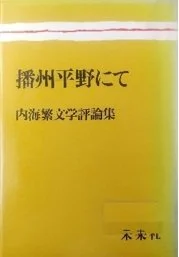
「イランに関する独立調査委員会」が、国連人権理事会第63回会合の議題として提出した9月14日付けの暫定版報告書がこれにあたるようです。(下の画像はその表紙)
報告書を見てみましょう。まず、イラン政府の国民に対する人権侵害と犯罪を取り上げています。朝日新聞の記事とは、順序が異なります。
イランでは、2025年末から今年はじめにかけて、生活改善を求める国民の声が拡大し、各都市で反政府デモが起きていました。このデモを鎮圧するために、政府や治安部隊が取った行動が、人権侵害と人道に対する犯罪にあたるとしています。
具体的には、以下の行為です:
デモ鎮圧に催涙ガス、散弾銃、自動小銃を使い、多くを殺害したこと(イラン政府は、死者3,038人、負傷25,000人、その50%が手術を要すると公表したが、調査団による調査は、死傷者数がこれを上回る恐れが高く、死者には、2歳児を含む、少なくとも221人の子供が含まれるとしている)、
負傷したデモ参加者を治療する医療施設を攻撃し、医療行為を妨害したこと、
略式裁判により活動家29人を処刑したこと、また、18歳以下の少年3人を含む70人以上に死刑判決を下し、執行する恐れがあること、
数万人を拘束し、拷問や独房監禁を加えたこと
イラン政府は、「米国とイスラエルが反政府活動を後押しして政権崩壊を狙っているため、安全保障上徹底した対策を行う」、と国民に事前通告しました。
2022年、一人の女性がヒジャーブの着用規則違反を理由に拘束され、その後死亡しました。これをきっかけに、「女性・命・自由」を求める反政府活動が起き、政府はこれを厳しく弾圧しましたが、今回の弾圧は、比べものにならないほど苛烈なものでした。
続いて、「市民への無差別攻撃として戦争犯罪に当たると判断できる合理的根拠がある」と調査団が結論した、米軍の2つの軍事行動について述べています。どちらも、米国とイスラエルがイランへの大規模軍事作戦を開始した当日、2026年2月28日に起きました。
ひとつは、ブログのタイトルにした、イラン南部の小学校の空爆です。2発の巡航ミサイル・トマホークが相次いで校舎に命中し、120人の児童を含む156人が死亡しました。(信頼できる情報筋によれば、死者は157人、そのうち123人が子供)
学校に隣接してイスラム革命防衛隊の海軍施設があり、最短距離は72mです。学校は2016年に海軍施設の敷地を利用して開設されましたが、壁により仕切られ、空爆前の衛星画像は明らかに小学校と識別可能な特徴を示しています。また、空爆後の衛星画像とビデオから、2発のミサイルが校舎の中心部に命中しており、明らかに学校を標的としたと判断できるとしています。
攻撃目標の設定に求められる入念な事前調査を怠ったこと(米国防総省の暫定調査結果が、未更新の情報に基づいて標的設定を行ったことを認めたとのニューヨークタイムズ記事を引用)を理由として、無差別攻撃にあたるとしています。
もうひとつは、同日夕刻に起きたスポーツ複合施設の空爆です。こちらも、近くにイスラム革命防衛隊の施設がありますが、衛星画像からは、明らかに一般市民向けの施設と識別可能です。子供5人を含む22人が死亡し、100人以上が負傷しました。
この攻撃に使われたのは、米国ロッキードマーチン社製ミサイルPrSMである可能性が高いと分析されました。このミサイルは、命中精度が高く、目標の上空で爆発して、およそ18万個のタングステンペレットを半径50mの範囲に高速度で飛び散らせ、人を殺傷し、建造物を破壊します。まさに無差別殺戮兵器です。
自国の政府により、あるいは、他国の攻撃により命を落とした人々や子供たちの記録です。
ブログでこの記事を取り上げたのは、太平洋戦争の末期、同様のことが日本で起きたからです。大月書店の『証言記録 市民たちの戦争② 本土に及ぶ戦禍』が伝えます。
終戦のわずか20日前の1945年7月25日午前10時、大分県津久見市保戸島の小学校を米軍機が襲い、爆弾と機銃掃射により、児童125人、教師2人が犠牲になりました。
機銃掃射をかいくぐって、爆撃で負傷した子供たちを探し回った母親たち、翌日には、四散した身体の一部を拾い集めて、そこに我が子の印を探し求めたと、同書336ページにあります。前述のイラン小学校でも、激しく傷ついた遺体が四散していたと報告されています。
同書の193ページからは、「禁じられた避難」と題して、これも終戦前の7月28日深夜の青森市空襲を取り上げています。62機のB-29が、黄燐を使った新型焼夷弾を投下、青森市街地の9割が焼失し、1,018人が犠牲になりました。
すでに、日本は制空権を失い、青森市近辺も米軍の艦載機が飛び交い、市民は危険を感じて郊外に避難を始めました。青森県知事は、市民が町を守る義務を放棄して避難することを問題視し、「家を無人にして避難する家族は、食料などの配給を停止する。帰宅期限は7月28日」(当時、食料品、生活物資のほとんどが配給制になっていました)と通告しました。
当時の「防空法」には、敵の空襲に対して市民の協力が必要なときは、市内からの退去を禁止することができると定められていました。27日深夜には、米軍が空爆を予告するビラを空中配布しています。
まさにその28日、家に戻って犠牲になった人が大勢いたのです。すでに、各都市への焼夷弾攻撃で十万を超える犠牲者がでており、敵襲に対する市民の協力といっても、粗末な防空壕やバケツリレーなどではどうすることもできないことは誰もがわかっていたはずです。帰宅命令は危険であると訴えた市民もいたようです。
イラン政府の国民への暴力行為ほど苛烈ではないものの、食糧供給の停止をちらつかせて市民を危険に追い込んだ行為は、同じように冷酷です。
戦争当事国の人々に起こる悲劇が、81年の歳月を経て繰り返されています。私たちは、これを現実として受け止めることから、次世代に受け継ぐべき未来についての議論を始めなければなりません。
「川西航空機姫路製作所の空爆」編 更新
先のブログで、城東町の真宗寺ご住職のお話をお聞きしたこと、また、空爆を体験された方への取材の道筋をつけていただいたことを報告しました。9月10日に取材が叶い、それをもとに、表題のGoogle Earth Presentationを更新しました。新たに、城東町真宗寺を項目として追加し、丸尾町の項目に、被災証言を追記しました。制作資料のページのリンクからプレゼンテーションを開いてお読みください。
姫路城東町 真宗寺訪問
1945年6月22日の川西航空機空爆に関する取材のため、城東町の真宗寺を訪ねました。8月14日夕方のNHKニュースで、ご住職と檀家の男性が紹介されていたのをご縁に、ご住職の後藤和樹さんに取材をお願いし、ご承諾いただきました。
当日、後藤住職から、祖父の先々代ご住職が残された「寺務日記」を見せていただきながら、お話をお聞きしました。空爆の凄まじさを伝える筆書きの几帳面な文字が、5ページあまりにわたって綴られていました。その内容については、改めて詳しく読み解き、米軍による航空写真とも付き合わせながら、Google Earth Presentation 「川西航空機姫路製作所の空爆」編に加える予定です。
後藤住職は、空爆80年となった昨年、犠牲者を追悼する法要を始められ、今後毎年、6月22日に、「戦没者追悼 平和のつどい」を開かれる予定です。ニュースで紹介された男性への取材についても、お力添えをいただきました。
約束の時間に5分ほど遅れてお寺を訪ねたとき、ご住職はすでに法衣に身を包まれ、本堂で待っていただいていました。本堂に上がる階段の下に、きれいに脱ぎ揃えられた履き物がとてもすがすがしく、今でも心に残っています。
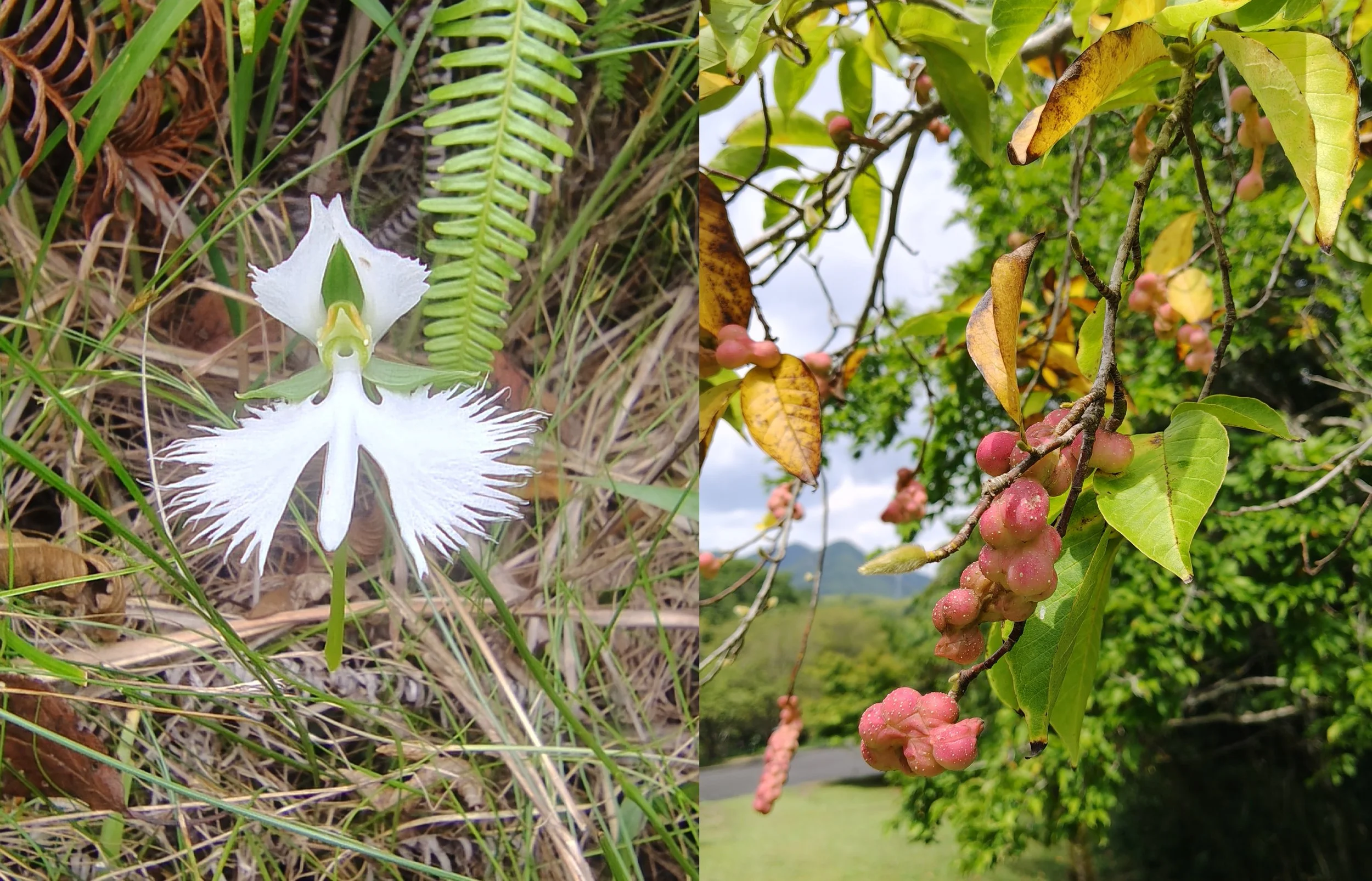
山ではサギソウが咲き始め、コブシの実も赤く色づきました。蝉の声は、アブラゼミやクマゼミからツクツクボウシに代わりました。季節が進んでいます。この暑さ、もう少しのがまんです。
リアルズ 理事長 瀬谷ルミ子氏 オンラインイベント
認定NPO法人リアルズ(REALs)理事長、瀬谷ルミ子氏のオンラインイベントに参加しました。リアルズは、アフガニスタン、シリア、南スーダンなどの紛争地域の被害者を支援しながら、紛争の解決・予防に取り組む非政府組織(NGO)です。
瀬谷さんは、武装解除-Disarmament、動員解除-Demobilization、社会復帰-Reintegration(DDR)を海外の大学で専攻し、多くの紛争地域で活動を続ける、紛争予防、平和構築のスペシャリストです。瀬谷さんの取り組みは、理想的、恒久的な平和を遠望しながらも、眼前で進行する悲劇に焦点を当て、少なくとも、住民同士が憎しみ合い、殺し合うことを止め、維持・予防することを目指しているようです。
注目されるのは、アフガニスタンでの日本大使館員としての活躍でしょう。2001年の米国同時多発テロのあと、米国は、軍事力によりタリバン政権を倒しました。各国の協力により、政府組織の構築と紛争再発防止のプロセスが始まりました。瀬谷さんは、政府や軍閥の司令官と直接やり取りし、武装解除を進めて、軍閥解体に貢献しました。週3回カルザイ大統領を含む政府要人の会議に出席し、武装解除の進捗を報告しました。カルザイ大統領から「ミス武装解除」と呼ばれました。2011年にNewsweek日本版「世界が尊敬する日本人25人」に、2022年には、New York Times「世界に影響を与えた10人の女性」に選ばれています。
イベントでの瀬谷さんの言葉は、数々の過酷な紛争現場の経験に基づく鋭い視点に満ちていました。その知見をより多くの人、特に若者が共有し、平和を維持・構築する技術として展開できれば素晴らしいです。
特に印象に残った言葉をお伝えします。
今の世界を見ると、平和な世界の実現などとても無理と絶望している人も多いと思います。でも、解決手段はまだたくさんあるはずです。私は、それを信じ、全部やったあとで絶望します。
是非リアルズのホームページを覗いてみてください。
被爆81年 原爆と人間 写真・絵画展
新しくブログのページを加えました。最初の投稿です。
8月に入ると、広島、長崎の原爆の日、15日の終戦記念日と、太平洋戦争を振り返る日々が続きます。テレビでは戦争関連番組が組まれ、各地で、関連する行事もたくさん行われます。
8月9日は長崎に原爆が落とされた日です。神戸元町の神戸まちづくり会館で開催されている企画展、「被爆81年 原爆と人間 写真・絵画展 -見てください! あの日、きのこ雲の下で起きた地獄絵を!-」を訪ねました。「神戸市原爆被害者の会」が、1998年から毎年開催しています。
原爆の悲惨さを伝える絵や写真60点あまりが展示されていました。その中で特に目を引いたのが、広島市の高校生による33点の絵画です。広島市立基町高等学校が2007年より続けている活動で、同校の生徒が被爆経験者の証言をもとに制作した絵です。同校ホームページによると、これまでに236点の原爆の絵が描かれたようです。その一部が展示されていたのでした。
例えば、全身が赤黒く焼けただれ、前方に突き出した手の先から溶けて剥がれた皮膚が垂れ下がったまま歩く人々の群れ、あるいは、老婆の背で息絶えたこども、足先が失われ、膝から下は骨がむき出しになっています。原爆の残酷さを伝える衝撃的な絵が次から次へと、展示室の壁を埋めていました。それぞれの絵には、制作した生徒さんのコメントと、絵のもとになった被爆体験を語った被爆経験者のコメントが合わせて掲示されていました。
生徒たちは、自身が実際に経験していないのに、被爆直後の地獄のような様子を絵にすることにためらいや戸惑いがあったようですが、被爆経験者の言葉をもとに、不明な点はなんども聞き直し、関連する資料も調べて絵を描き上げています。被爆経験者も粘り強く伝え、生徒たちを励ましているようすが、コメントからわかります。70~80歳の年齢を隔てた被爆経験者と現代の若者が共同で作り上げた、反戦、原爆廃絶を訴える力強い作品です。被爆経験者が、そして戦争経験者がまもなくこの国にいなくなります。その後も、耐えることなく反戦、原爆廃絶を続けるために何ができるか、勇気と指針を与えられたようです。
その夜、「NHKスペシャル 知られざる核危機 ハルペリン文書の警告」を見ました。1958年、広島、長崎に続いて3度目の原爆投下が行われていたかも知れない核戦争の危機を、米国人による報告書や証言をもとに伝えていました。NHKという公共放送がこうした番組を作って放送することに安堵を覚えるとともに、いつまでもそうでなければならないと強く感じました。そして、記録を残すこと、記録を伝え続け、振り返り、取り返しのつかない過ちを起こさないための活動がいかに大切かを再認識しました。
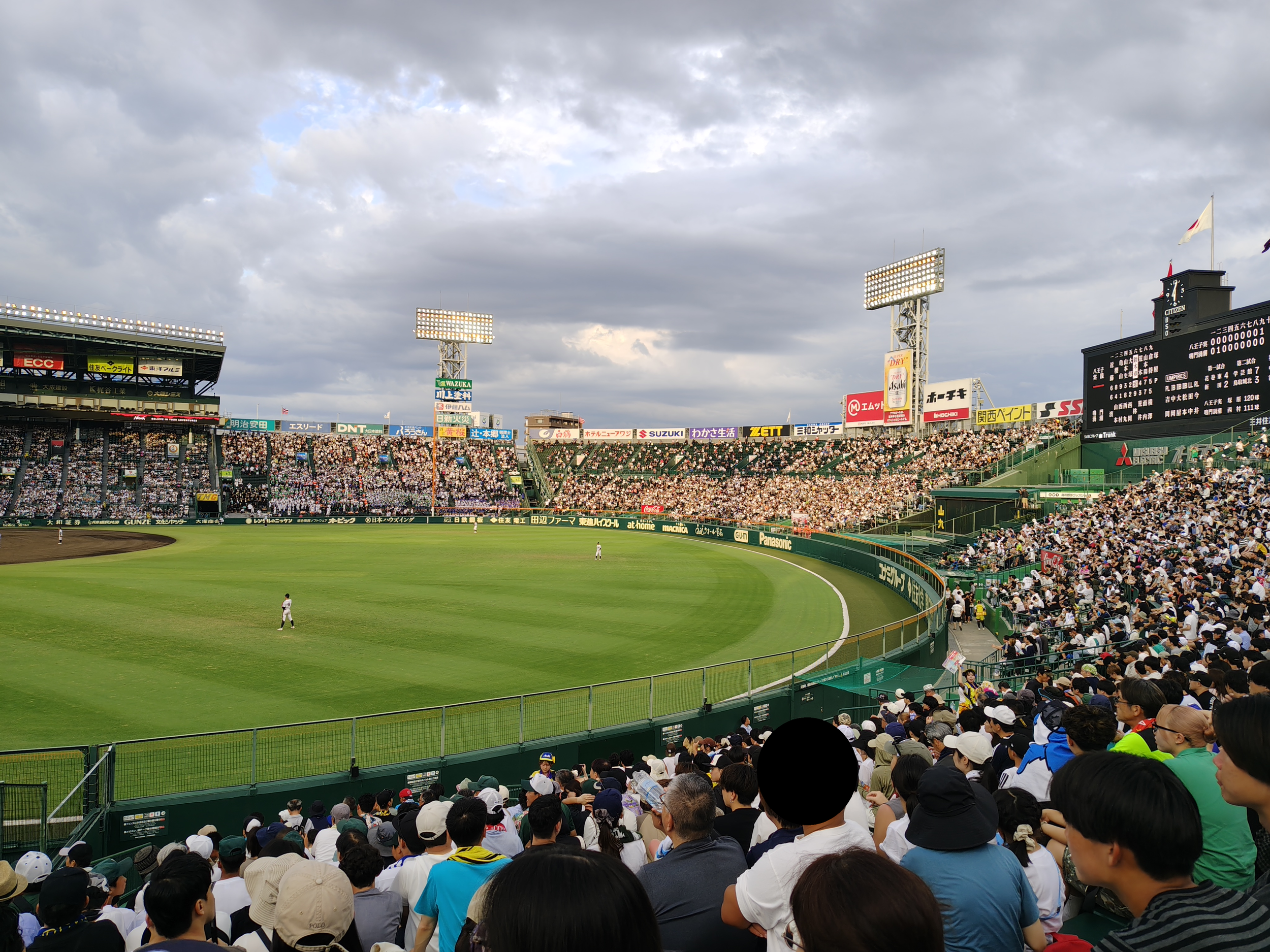
写真は、神戸元町から少し足を伸ばして訪ねた、甲子園球場の様子です。夏の甲子園です。フィールドで躍動する選手たちや、スタンドで応援する生徒たちを見ていると、なぜか熱いものがこみ上げ、汗と一緒にタオルで拭いました。